
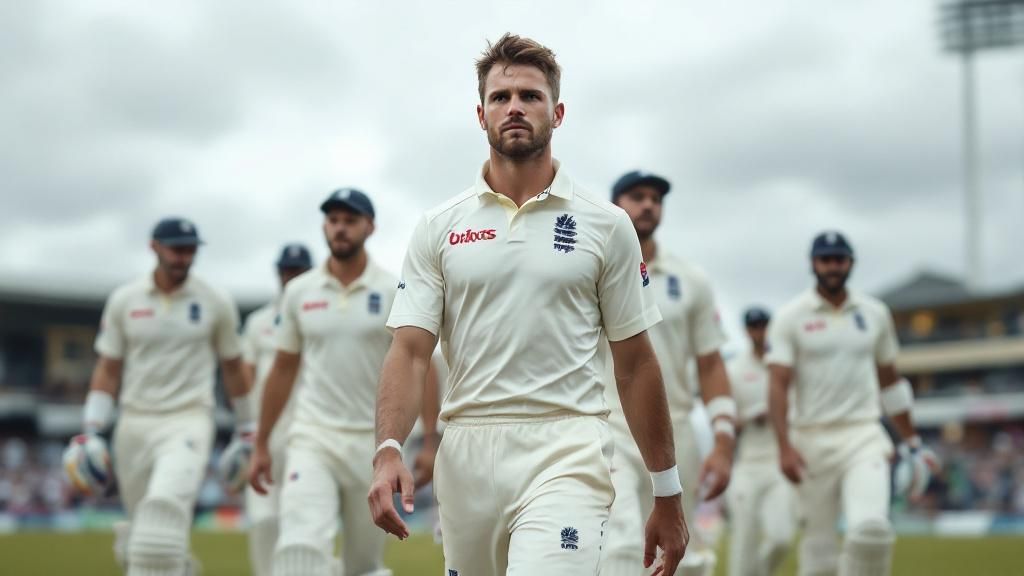
England and Wales Cricket Board chief executive Richard Gould has reiterated his backing for director of operations Rob Key, head coach Brendon McCullum and captain Ben Stokes, despite mounting criticism from former players. The show of support comes in the aftermath of England’s 4-1 Ashes loss in Australia this winter and a wave of complaints from former squad members including Jonny Bairstow, Reece Topley, Ben Foakes and David Willey, who have aligned with Liam Livingstone in raising questions about the existing leadership. Gould defended the decision to keep the leadership trio, contending that the ECB must focus resources on players in the domestic structure rather than those who have departed the organisation.
Gould’s Strong Defence of Organisational Framework
Gould downplayed claims that the players’ criticism signals a serious problem damaging the start of the home season, which starts on Friday. He insisted the ECB continues to be prioritising a constructive path, highlighting favourable trends across recreational cricket participation and attendance figures. “I really don’t agree with that,” Gould said when pressed on whether negativity was overshadowing the upcoming season. He characterised the Ashes defeat as a passing difficulty rather than evidence of fundamental flaws requiring major overhauls to the organisational hierarchy.
The ECB head official acknowledged the difficulty players face when departing the England system, but argued this was an inevitable consequence of professional sport selection. With around 300 players aspiring to represent England in all formats, Gould contended the organisation must concentrate its resources strategically on those currently in the teams. He expressed understanding that excluded players would naturally disagree with decisions impacting their careers, but maintained the ECB’s approach emphasises sustained team building over addressing the grievances of those outside the immediate circle.
- Gould challenges notion of turmoil casting a shadow over county season start
- Recreational game data and attendance figures remain positive
- Ashes defeat characterised as short-term setback, not systemic failure
- ECB needs to direct investment on current squad members
Mounting Chorus of Scrutiny from Ex-Players
Bairstow and Livingstone Lead Grievances
Jonny Bairstow, not involved with England colours since 2024, has become one of the most outspoken critics of the current regime, contending that those leading the way must restore “the care back in the game”. His contribution proved particularly significant given his status as a former senior player, lending credibility to growing concerns about player welfare within the system. Bairstow’s central complaint centres on what he perceives as a two-way method to selection, whereby outgoing players find themselves immediately cast adrift with scant support or dialogue from the ECB leadership.
Liam Livingstone, who last played for England during the Champions Trophy last March, has expressed similarly critical evaluations of the organisational framework. Speaking to Cricinfo earlier this month, Livingstone claimed that “no-one cares” about athletes beyond the core group, whilst describing how he was told he “cares too much” when seeking assistance during his absence from the squad. His remarks suggest a disconnect between athlete expectations regarding pastoral care and the ECB’s approach to operations, raising questions about responsibility towards players moving out of international cricket.
Further Issues from Latest Exits
Reece Topley has portrayed Livingstone’s concerns as distinctly restrained, indicating the concerns run substantially further than expressed in public. This assessment from a colleague formerly-active player underscores the scale of discontent building within the previous England squad. Topley’s openness to endorse Livingstone’s complaints indicates a shared frustration rather than separate issues, potentially pointing to structural problems within the ECB’s management of player transitions and sustained support systems for those outside the selection frame.
Ben Foakes has pointed out operational shortcomings in England’s operational infrastructure, uncovering that backup batsman Keaton Jennings served as wicketkeeping coach during one tour despite no permanent specialist being appointed to the role. This revelation demonstrates potential resource allocation concerns within the ECB’s coaching operations, suggesting budget constraints that may affect player development and support. Foakes’s concrete case provides tangible proof supporting wider concerns about the management’s effectiveness and dedication to assisting squad members adequately.
- Bairstow demands restoration of care within England cricket system
- Livingstone states management dismisses feedback from exiting players
- Topley validates criticism, suggesting widespread systemic dissatisfaction
- Foakes highlights inadequate coaching infrastructure and funding distribution
The Larger Context of England’s Cold-weather Struggles
England’s disappointing 4-1 Ashes defeat in Australia this season has triggered intensified scrutiny of the ECB’s management structure and decision-making processes. The scale of the series loss has reinforced ex-players’ concerns, with the on-field results seemingly substantiating worries about the leadership’s performance. Gould’s choice to keep Key, McCullum and captain Ben Stokes in the face of this major disappointment has further intensified discussion within the cricket community, forcing the ECB leadership to publicly defend their strategic vision whilst facing escalating pressure from multiple quarters.
The ECB chief executive has described the winter campaign as merely “a temporary setback we will move past,” attempting to contextualise the defeat within a larger story of organisational success. Gould highlights encouraging data in community cricket involvement and increased attendance rates as demonstration of institutional health. However, this upbeat narrative sits uneasily alongside the damaging testimonies from recently-exited players, establishing a gap between the ECB’s own appraisal and the direct experiences of those departing from international competition, particularly regarding systems of support and welfare support.
| Challenge | Impact |
|---|---|
| 4-1 Ashes series defeat in Australia | Undermined confidence in current management and strategic direction |
| Inadequate support for departing players | Created perception of callous transition process and damaged player relations |
| Resource allocation and coaching infrastructure gaps | Compromised squad development and exposed operational inefficiencies |
| Disconnect between ECB messaging and player experiences | Eroded trust and credibility of leadership amongst former internationals |
European Competition Strategy and Future Scheduling
The ECB’s tepid response to suggestions regarding a inaugural European Nations Cup has highlighted further strategic divisions within cricket’s governance structures. Cricket Ireland chair Brian MacNeice announced earlier this month that talks were advancing with relevant organisations to establish an yearly tournament showcasing European nations starting in 2027, covering both men’s and women’s competitions. The planned tournament would bring together Ireland, Scotland, the Netherlands and possibly Italy in summer matches, with England’s participation considered commercially vital to drawing broadcaster attention and obtaining appropriate venues across the continent.
However, Gould has effectively downplayed England’s prospect of participation, suggesting the ECB harbours reservations about the tournament’s viability and appeal. The ECB previously engaged in talks with Cricket Ireland throughout September’s white-ball series, yet no firm commitment has materialised. Gould’s measured approach demonstrates wider anxieties about fixture congestion and the emphasis on established bilateral series over emerging multi-nation formats. The hesitancy also underscores underlying friction between the ECB’s business objectives and its willingness to support growth prospects for neighbouring cricket nations.
Why England Remains Hesitant
England’s reluctance stems partly from practical scheduling constraints and the shortage of purpose-built international venues readily available across Europe. The ECB’s emphasis on increasing commercial gains through traditional bilateral matches with established cricket nations takes precedence over experimental tournament formats. Additionally, fixture congestion worries and the difficulty in coordinating various nations’ fixtures create logistical obstacles that the ECB appears reluctant to manage without stronger financial commitments and broadcasting agreements from proposed stakeholders.
Looking Ahead: Positive Metrics During Challenging Times
Despite the significant scrutiny regarding England’s Ashes defeat and following player criticism, the ECB leadership remains confident about the organisation’s path forward. Gould has stressed that the current controversy should not overshadow the start of the domestic season, which begins on Friday with renewed optimism. The ECB chief dismissed suggestions that negativity is eroding the sport’s momentum, instead pointing to encouraging data across multiple performance indicators. Recreational participation numbers have risen, attendance figures stay strong, and broader involvement measures demonstrate upward trends, suggesting the grassroots health of English cricket stays healthy despite high-level difficulties.
Gould characterised the winter’s underwhelming outcomes as merely “a temporary setback we will get over,” highlighting the ECB’s firm commitment that short-term difficulties should not shape long-term strategic direction. The organisation’s leadership has made clear their support for the current management structure, with Key, McCullum and Stokes continuing in their positions. This unwavering commitment, whilst disputed by some ex-cricketers, signals the ECB’s belief that the current structure can produce winning results. The focus now shifts toward restoring belief and demonstrating that England cricket has the strength and capability required to overcome recent adversity.
